


When we talk about building a sustainable supply chain, we’re talking about more than just being ‘green’. It’s about creating a resilient, ethical network that looks after everyone involved – from the person picking the tea leaves to the customer enjoying a brew.
For a tea brand, this means digging deep into fair labour practices, shrinking your carbon footprint, and building honest, transparent partnerships. It's about ensuring the social and economic wellbeing of every single person in that chain.
Why Sustainable Supply Chains Are a Business Imperative
The idea of a sustainable supply chain has moved from a nice-to-have to an absolute necessity. For us in the tea world, this isn’t just about feeling good about what we do; it’s about building a stronger business that can handle market ups and downs and truly connect with today's thoughtful customers.
People are more curious than ever about the story behind their cup of tea. They want to know where it came from and who grew it. They’re actively looking for brands that can prove they’re committed to doing things properly. A lack of transparency just doesn't cut it anymore.
The Real Risks of Inaction
Ignoring sustainability isn't just a missed opportunity; it exposes your business to some very real threats.
Imagine one of your key tea-growing regions is suddenly hit by a drought linked to climate change. If your sourcing is diversified and you've invested in climate-resilient farming with your partners, you’re in a much better position to handle it. A competitor who put all their eggs in one vulnerable basket? They’ll be in real trouble.
The risks aren't just hypothetical. They show up in a few key ways:
- Supply Disruptions: Relying too heavily on a single supplier or region without thinking about environmental stability can lead to sudden shortages and inconsistent quality.
- Reputational Damage: Word travels fast. News of poor working conditions or harmful farming practices can undo years of trust you’ve worked hard to build.
- Market Irrelevance: As your wholesale partners and favourite cafes start setting their own sustainability goals, brands without a clear, ethical story risk being left on the shelf.
For a typical consumer goods company, over 90% of its environmental impact comes not from its own operations, but from its suppliers. That stat alone shows why looking at the whole network is so vital.
Sustainability as a Strategic Advantage
Taking a sustainable approach is really about being proactive and managing these risks head-on. It encourages you to look much deeper into your operations and build stronger, more collaborative relationships with your suppliers.
You move away from a simple transactional setup to a genuine partnership built on mutual respect and shared goals.
This connection builds loyalty, improves communication, and ultimately, secures a steady supply of high-quality tea. It’s not just about ethics; it's about future-proofing your brand. If you want to dig into the details, this ultimate guide to sustainability and responsibility is a brilliant resource for understanding why this is a true business imperative.
Forging Partnerships from the Ground Up
This is where your commitment to a sustainable supply chain truly takes root. It’s about so much more than just finding tea; it’s about nurturing real relationships with growers and suppliers who share your passion for quality, ethics, and looking after the planet.
To build something that lasts, you have to move beyond purely transactional arrangements. The real goal is to find genuine partners. That means seeking out suppliers whose entire way of working aligns with your brand's values, from how they treat their people to how they manage their land. Getting this mindset right from the start is the most critical first step you'll take.
Going Deeper Than a Glossy Brochure
A slick website or a single certification logo just doesn't cut it. While things like Fair Trade or Rainforest Alliance are good signposts, a truly sustainable partnership demands that you dig a bit deeper. You have to get a feel for how a potential partner really operates on the ground.
This means asking direct, thoughtful questions that go way beyond the usual back-and-forth about price and volume. Your vetting process should feel less like an interrogation and more like a conversation—one aimed at building mutual trust.
A fantastic real-world example is the direct trade model you often see with high-quality matcha producers in Uji, Japan. Here, brands build relationships with specific farming families that span generations. This doesn't just guarantee incredible quality; it also ensures the farmers are paid fairly and supports the continuation of traditional, sustainable farming methods that have been honed over centuries.
The Sustainable Supplier Vetting Checklist
When you're starting these conversations, it helps to have a clear framework. This checklist is designed to help you vet potential partners across the key areas that matter, moving beyond surface-level claims to get to the heart of their operations.
| Vetting Area | Key Questions to Ask | Ideal Response Indicators |
|---|---|---|
| Labour & Community | Can you tell me about your wage structure? How do you ensure safe working conditions? What specific projects do you run to support the local community? | They provide clear wage policies, evidence of safety training, and specific examples of community investment (e.g., schools, healthcare). |
| Environmental Practices | How do you manage water on the estate? Are you using organic or regenerative methods? What’s your approach to pest control and biodiversity? | They talk about water conservation, soil health programmes, integrated pest management, and initiatives to protect local wildlife. |
| Transparency & Culture | Would you be open to a visit? How do you handle challenges or setbacks? Can you share data on your sustainability metrics? | They welcome visits, are honest about challenges, and see you as a collaborative partner in improving practices. |
This isn't just about ticking boxes. It's about finding suppliers who are genuinely proud of their work and excited to share their story with a partner who cares.
A partnership built on transparency and shared values is inherently more resilient. When disruptions occur, you're not just dealing with a supplier; you're problem-solving with a trusted ally who has a vested interest in mutual success.
Economic shifts can also steer you towards more sustainable choices. For instance, revamped UK tariff regimes are prompting many businesses to shorten their supply chains. For a brand like ours, where customers really care about ethical sourcing, reducing the carbon footprint from shipping aligns perfectly with both new regulations and what our customers expect.
It All Comes Down to Communication
Once you’ve found a promising supplier, the real work of building the relationship begins. This is about more than just sending over purchase orders; it's about establishing regular, open, and honest communication.
Share your brand's mission. Explain why their sustainable practices are so important to you and your customers. When suppliers get the "why" behind your requests, they transform from being just a name on an invoice into engaged partners in your mission. If you want to explore this further, have a look at our guide on sustainable procurement practices.
Ultimately, forging these ground-up partnerships is the most powerful thing you can do. It turns your supply chain from a simple line of transactions into a network of people working together towards a shared goal. That foundation of trust is what allows you to deliver an exceptional tea with a story your customers can truly believe in.
Lifting the Lid on Your Supply Chain
Trust is everything. In the world of tea, where a single leaf travels thousands of miles, showing your customers that journey is one of the most powerful things you can do. It’s about more than just a list of ingredients; it's about pulling back the curtain on your entire sourcing process.
This means putting traceability systems in place that follow your tea from a specific garden right to your customer’s teapot. That might sound like a massive undertaking for a smaller brand, but the tools to make it happen are surprisingly accessible these days. The goal is simple: turn the story of your tea into a real, tangible connection.
Practical Traceability for Smaller Brands
You don’t need a seven-figure budget or a corporate-level system to start tracing your teas. The trick is to start with simple, effective methods you can manage right now and build on as you grow.
A fantastic, no-fuss starting point is batch tracking. It's as straightforward as assigning a unique code to each shipment of tea you get from a supplier. This little code follows the tea through blending and packing, all the way to the final pouch. If a problem ever pops up, you can instantly pinpoint the exact batch and trace it right back to its source.
Here are a few accessible ways to get started:
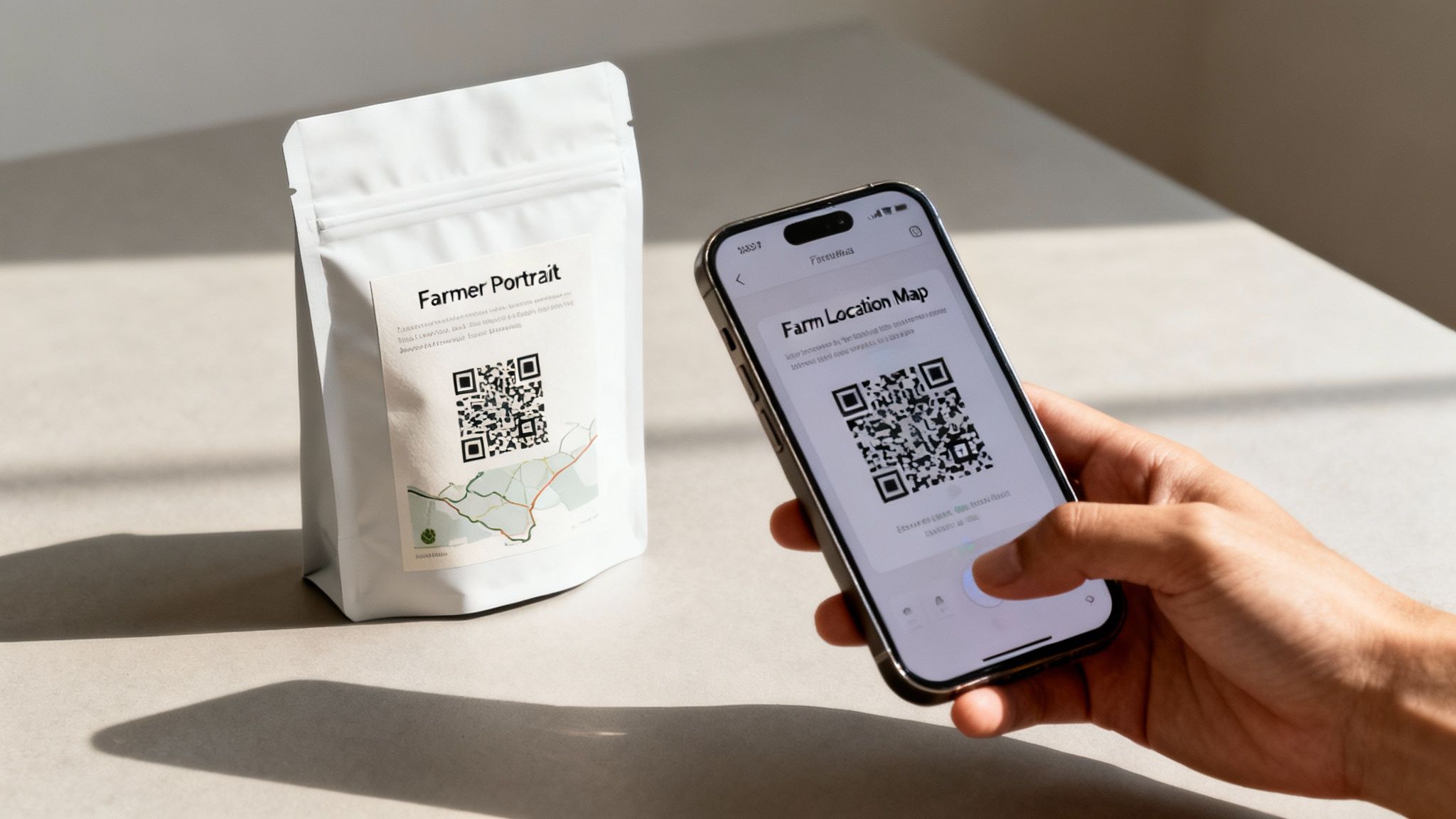
- QR Codes on Packaging: This is a game-changer. A quick scan can whisk a customer off to a webpage telling the story behind that specific tea. Think photos of the farm, a short interview with the grower, or details about that season's harvest.
- Simple Lot Numbering: Even without QR codes, a clear lot number on the pack is a powerful internal tool. You can then use your website to share more detailed sourcing info for each lot number.
- Supplier Storytelling: Dedicate a part of your website to profiling the farms you work with. It creates a powerful emotional link and shows a genuine commitment to the people growing your tea.
Transparency is a powerful shield against market chaos. When customers trust how you source your tea, they’re far more likely to stick with you, even when things like geopolitical shifts disrupt the wider market. That kind of loyalty is priceless.
For UK tea brands, being transparent about where your chai and matcha come from is more important than ever. The 2025 Budget is funnelling serious funds into UK infrastructure to smooth out logistics, which puts the spotlight back on what businesses can control – the integrity of their supply chains. Tracking emissions and proving ethical practices are fast becoming the norm, especially as cafés demand products with solid ESG credentials. You can get a better sense of the opportunities in the UK supply chain management market here.
Certifications and Audits, Demystified
We all know the big names: Fair Trade, Rainforest Alliance, Organic. These certifications are trust marks for customers, providing third-party proof that you’re hitting specific ethical and environmental standards. They can be incredibly valuable when building sustainable supply chains.
But they aren't the only way to build credibility, and the costs and admin can be a real hurdle for smaller brands.
Deciding whether to go for a certification means weighing the benefits against the resources you’ll need to commit.
- Fair Trade: This is all about ensuring farmers get a fair price and supporting community development. It's a brilliant way to show your commitment to social responsibility.
- Rainforest Alliance: This one focuses on protecting biodiversity, promoting sustainable farming, and looking after worker welfare. It really highlights your environmental credentials.
- Organic: This mark verifies that the tea is grown without any synthetic pesticides or fertilisers. If that's a cornerstone of your brand, our guide on organic loose leaf tea has some great insights.
If you do go down the certification route, get ready for the audit. This usually involves a deep dive into your paperwork – supplier contracts, invoices, traceability records, the lot. Auditors might also visit your facility and even your partner farms. My best advice? Keep your records meticulously organised from day one.
In the end, whether you choose certifications, QR codes, or just great storytelling, the goal is the same. It’s about being open and honest, making the journey of your tea a visible, tangible part of your brand, and building a base of customers who will stick with you for the long haul.
Reducing Your Environmental Footprint
Once you've forged strong partnerships and established real transparency, it’s time to get to grips with the tangible environmental impact of your business. Tackling your carbon footprint and cutting down on waste are at the very heart of building sustainable supply chains.
This isn't about grand, sweeping gestures. It's about a series of smart, informed decisions that, when added up, make a massive difference.
Every single choice—from how your tea is shipped to the packaging it arrives in—weaves into your brand's environmental story. This is your chance to turn responsibility into a genuine competitive edge, and you might even find some cost savings along the way.
Greening Your Logistics and Shipping
Let's be honest, logistics is a major source of emissions for any tea company. The journey from a hillside in Sri Lanka to a café in London is a long one, but there are practical ways to make it greener and more efficient.
A great place to start is simply talking to your shipping partners. Ask them what they're doing to reduce their own impact. You'll find that many forward-thinking freight companies are already investing in fuel-efficient fleets, carbon offsetting programmes, and clever routing software. Choosing a partner who's on the same page is a powerful move.
Beyond that, it all comes down to efficiency. Consolidating shipments is one of the simplest and most effective changes you can make. Instead of lots of small, frequent orders from the same region, coordinate with your suppliers for larger, less frequent shipments. It’s a small tweak that seriously cuts down on fuel, packaging, and paperwork for everyone.
Rethinking Waste from Leaf to Cup
Waste reduction is another area brimming with opportunity. Try to map out the entire life of your tea, pinpointing where waste is created. From there, you can start exploring ways to reduce, reuse, or recycle.
For most tea brands, the conversation inevitably turns to packaging. Single-use plastics are quickly falling out of favour with conscious customers, so exploring alternatives isn't just good for the planet—it's good for business.
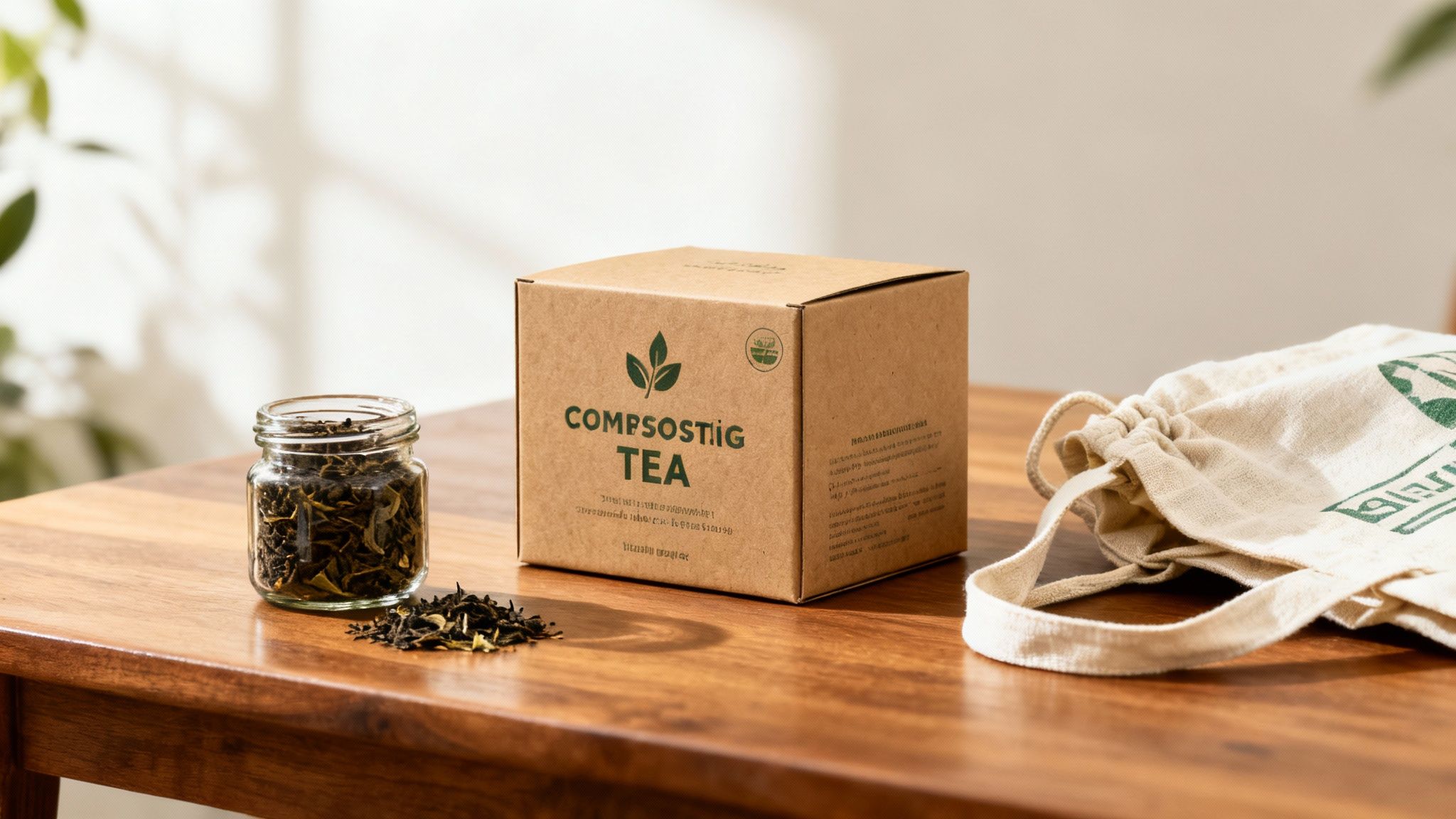
- Compostable Materials: Look into plant-based options like PLA (polylactic acid) for clear bags or pouches. They're designed to break down in industrial composting facilities.
- Recycled Content: Choose boxes and labels made from a high percentage of post-consumer recycled paper. This eases the demand for virgin materials.
- Minimalist Design: Can you get rid of any unnecessary layers of packaging? A simple, elegant design often looks better and uses far fewer resources.
For our wholesale partners in cafés, the opportunity extends to the tea leaves themselves. Spent leaves are a fantastic, nitrogen-rich addition to compost. Encouraging your café partners to start a composting programme—maybe by teaming up with a local community garden—creates a wonderful circular story.
A typical consumer goods company’s supply chain generates more than 90% of its environmental impact not from its own operations, but from its suppliers and logistics. This really brings home why looking at every single step, including shipping and packaging, is so crucial.
A Practical Look at Sustainable Packaging
Choosing the right packaging is a balancing act. You have to weigh up the environmental impact, the cost, and the non-negotiable need to protect the quality and freshness of your tea. There's no single perfect solution; it’s about finding the best fit for your brand. To see how we've navigated this, you can read more about our journey with sustainable packaging solutions.
To help guide your own decisions, we've put together a quick comparison of some of the most popular eco-friendly options out there.
Comparison of Sustainable Packaging Options for Tea
| Packaging Material | Environmental Benefits | Potential Drawbacks | Best For |
|---|---|---|---|
| Recycled Cardboard | Reduces deforestation and landfill waste; requires less energy to produce than virgin paper. | Can be less durable if it gets wet; quality can vary based on recycled content percentage. | Outer boxes, shipping cartons, and retail packaging for loose leaf tea. |
| Compostable PLA | Made from renewable resources like corn starch; breaks down in industrial compost facilities. | Looks like plastic, which can confuse customers; requires specific composting conditions to degrade. | Inner linings for boxes or clear pouches to showcase the tea leaves. |
| Glass Jars | Infinitely recyclable and reusable; provides an excellent barrier against moisture and air. | Heavier and more fragile, leading to higher shipping costs and emissions; higher initial cost. | Premium, high-end tea collections or gift sets where presentation is key. |
| Metal Tins | Highly durable, reusable, and widely recycled; offers superior protection for delicate teas. | Production is energy-intensive; can be more expensive than other options. | Loose leaf tea storage where customers are likely to refill and reuse the container. |
Ultimately, shrinking your environmental footprint is a continuous journey of improvement. It takes curiosity, creativity, and a willingness to question the way things have always been done. By focusing on smarter logistics and more thoughtful packaging, you can make a real, positive impact.
Telling Your Sustainability Story Authentically
All the hard work you’ve put into building a sustainable supply chain can be your most powerful marketing tool, but only if you actually share that story with your customers. This isn't about bragging; it’s about forging a real connection by showing people the genuine impact of what they're buying.
Honest communication is what turns your ethical practices into customer loyalty. When you get it right, you build a community around your brand and transform casual drinkers into proper advocates. The secret is to ditch the vague claims and focus on transparent, honest storytelling.
Measuring What Matters Most
Before you start shouting about your efforts, you need to know what you’re actually measuring. As a small tea business, you don't need to get bogged down with overly complex metrics. The trick is to focus on a handful of key performance indicators (KPIs) that are both meaningful and manageable to track.
These are the real-world numbers that will give your story some proper weight.
- Percentage of Directly Sourced Tea: How much of your tea comes from direct relationships versus brokers? It's a brilliant indicator of your commitment to your growers.
- Waste Reduction: Keep an eye on the decrease in your packaging weight, or track the percentage of materials you've switched to compostable or recycled alternatives over the year.
- Supplier Support Initiatives: Make a note of the support you offer beyond just paying for tea. Did you contribute to a community project at a partner farm? Or maybe you invested in new equipment for a grower?
The goal isn’t perfection; it’s progress. Sharing the whole journey, including the hurdles you face, is far more compelling than pretending you've got it all figured out. People appreciate honesty and are much more likely to back a brand that’s open about its efforts.
Weaving Your Narrative Across Every Channel
Your sustainability story shouldn't be tucked away on a forgotten page of your website. It needs to be a constant thread running through every single place a customer interacts with your brand. Each channel gives you a unique way to bring your commitment to life.
Think about your packaging – it's prime real estate. A simple QR code could link to a short video of the very farmer who grew the tea inside, creating an instant human connection. On Instagram, you could share candid photos from your last farm visit or shine a spotlight on a specific practice, like water conservation at one of your partner estates.
This whole approach is becoming more common across the industry. For tea businesses like ours, ethical sourcing is all about building resilient, transparent partnerships with farmers. This fits into a wider UK push for homegrown investment and shorter supply chains to hit net zero targets. As pressures rise, this focus on visibility and investing closer to home becomes a real strategic advantage, helping ensure ethical supply chains can handle whatever comes their way.
Communicating Without Greenwashing
Authenticity is your best defence against "greenwashing"—the trap of making misleading claims about your environmental credentials. The line between genuine storytelling and empty marketing buzz is transparency.
To make sure you stay on the right side of that line, always stick to these principles:
- Be Specific: Instead of just saying your packaging is "eco-friendly," say it's "made from 90% post-consumer recycled cardboard." Specifics build trust.
- Show, Don't Just Tell: Use visuals. Share photos of the composting programme at a partner café or a simple diagram explaining how you've cut your carbon footprint through smarter shipping.
- Profile the People: Your supply chain is made up of people. Introduce your farmers and their families. Share their stories, their challenges, and their wins. That human element is what truly connects with people.
To really get this right, it’s worth digging into the power of storytelling itself. It's a great way to frame your messages so they don't just inform, but actually inspire people and build lasting relationships with your customers and wholesale partners alike.
Burning Questions About Sustainable Tea Sourcing
Even with the best of intentions, dipping your toes into the world of sustainable sourcing can feel a bit daunting. It’s easy to get tangled up in the perceived costs, the complexities, and the simple question of where on earth to begin. Let's tackle some of the most common worries we hear from tea brand owners and wholesale partners, head-on.
The goal isn't to build a perfect system overnight. It’s about taking clear, deliberate steps towards a supply chain you can feel genuinely proud of.
Is This All Going to Be Too Expensive for a Small Tea Company?
This is always the first question, and for good reason. There’s a persistent myth that sustainability comes with a hefty price tag, but that’s not the full story. While you might see some initial costs—perhaps for better packaging or a certification—building sustainable supply chains often leads to some serious long-term savings and resilience.
Think of it this way: stronger relationships with your suppliers can lead to more stable pricing, which acts as a buffer against market shocks. Reducing waste directly cuts your material costs. And the brand loyalty you build through transparent sourcing? That drives repeat sales, which is always more cost-effective than constantly chasing new customers.
It's a common misconception that sustainability is just a cost centre. In our experience, it's a huge driver of efficiency. Smarter shipping, less material waste, and lower energy use all protect your bottom line.
You don't have to do it all at once. Start with changes that give you the biggest bang for your buck.
- Smart shipping: Try consolidating orders to cut down on fuel and freight charges.
- Lighter packaging: This can make a real difference to both shipping weights and material expenses.
- Focus on one key partner: Start by building a deep, direct relationship with just one or two core suppliers before you expand.
I Have Zero Transparency. Where Do I Even Start?
Feeling like you’re starting from scratch? Don't panic. The trick is to narrow your focus. Instead of trying to map your entire supply chain at once, just pick one product line. Maybe it’s your best-selling black tea or a signature blend.
Your first move is simply to start a conversation with your immediate supplier for that specific tea. This isn't a formal audit; it's a friendly chat. Ask simple, open-ended questions like, "Could you tell me a bit more about the estate this tea comes from?" or "What can you share about the farmers who grew this batch?"
These questions open doors. The information you gather, no matter how small, becomes a story you can share with your customers. Transparency is a journey, not a destination. Every single step you take to understand and share your sourcing is a meaningful move in the right direction.
How Can I Prove My Claims Without Expensive Certifications?
Certifications like Fair Trade or Rainforest Alliance are great, but they aren't the only way to show your commitment and build trust. Your most powerful tool is authentic, transparent storytelling.
Document everything. Use your website and social media to share real stories and photos from the farms you work with. Write detailed product descriptions that explain the who, where, and how behind each tea. Be honest about your challenges as well as your successes—that sort of authenticity resonates far more deeply with today’s customers than a generic logo ever could.
You can also create and publish your own supplier code of conduct. This simple document clearly outlines the standards you expect for labour practices, environmental management, and community engagement. It’s a powerful way to show customers you’re serious about your values.
What’s the Biggest Benefit for a Wholesale Partner?
For a café, hotel, or distributor, the single biggest benefit of partnering with a sustainable tea brand is having a compelling story that sells. Customers, especially in the speciality tea market, are increasingly buying with their values in mind.
When a barista can tell a customer that the chai they’re drinking is sourced directly from a specific family farm using regenerative practices, it elevates the whole experience. It gives them a clear point of difference from the competition and helps justify a premium price point.
Beyond the marketing story, a sustainable supply chain is often a more resilient one. This means fewer stock disruptions and more consistent quality for the wholesale partner—two things absolutely critical to the smooth running of their daily operations. It provides reliability and a narrative. In today's market, that combination is priceless.
At Jeeves & Jericho, we're dedicated to building these transparent, ethical partnerships from the ground up. Explore our collection of meticulously sourced teas and discover the difference a sustainable supply chain makes.