


Picture this: a cup of tea that’s naturally sweet, velvety smooth, and has none of that sharp bitterness you sometimes get. This isn’t a fantasy—it’s the magic of cold infusion tea. It’s a beautifully simple, yet surprisingly sophisticated, way to brew that uses time, not heat, to draw out the most delicate and complex flavours hiding in your tea leaves.
A Gentler Way to Brew Your Tea
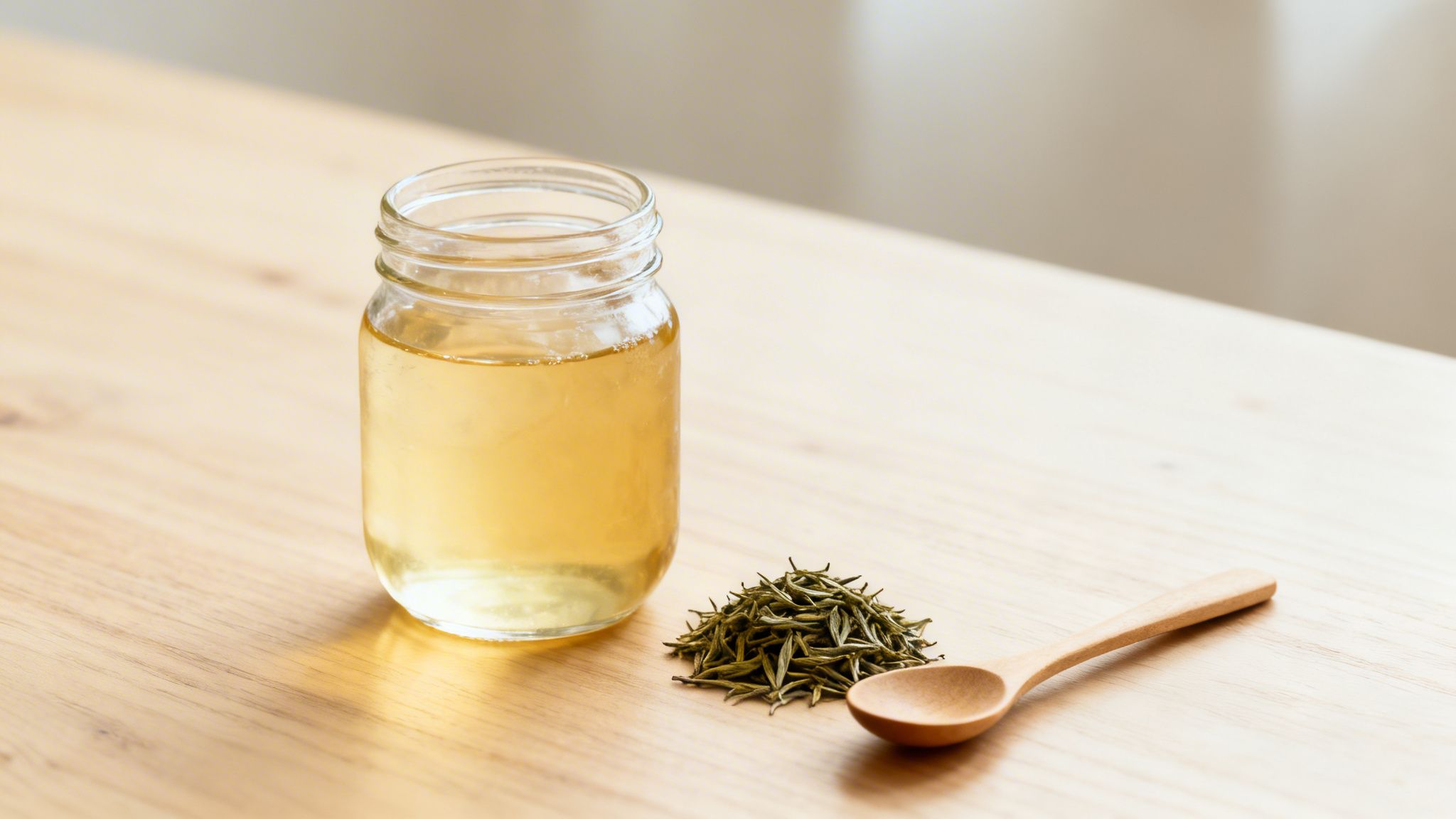
So, what is it exactly? Cold infusion is simply steeping tea leaves in cold or room-temperature water for a good while—usually anywhere from four to twelve hours. Unlike a traditional hot brew that can be a bit aggressive and pull out bitter compounds called tannins, this slower, gentler process coaxes out a much smoother, more nuanced profile from the leaves.
Here’s an easy way to think about it. Hot water is like a flash flood, ripping everything out of the tea leaf all at once—the good, the bad, and the bitter. Cold water, on the other hand, is like a slow, steady rain, patiently drawing out only the most desirable, delicate flavours.
This method is quickly becoming a favourite among health-conscious tea lovers and speciality cafes, and for good reason:
- Naturally Sweeter Flavour: Because fewer tannins are extracted, the tea’s natural sweetness shines through, so you likely won’t even think about reaching for the sugar.
- Reduced Bitterness: Those harsh notes that come from over-steeping hot tea? They’re pretty much gone, leaving you with a perfectly smooth sip every time.
- Lower Caffeine Content: Cold water extracts far less caffeine, making it a brilliant, refreshing drink you can enjoy all day long.
- Preserved Antioxidants: The lack of heat helps protect the delicate antioxidants, like polyphenols, found in the tea leaves.
A Growing Trend in the UK
It’s clear that people are moving towards healthier, more natural drinks. Here in the UK, the ready-to-drink tea market, where cold brew styles are a big player, is expected to grow by a massive 42.6% over the next ten years. This is all down to people like us wanting options that are low in sugar, convenient, and thoughtfully sourced—a niche that cold infusion tea fits into perfectly.
This guide will walk you through how to master this simple technique at home. Once you start with exceptional leaves, you’ll unlock a world of flavour you might never have known was in your cup. To get started on the right foot, why not have a look at our guide on the different types of tea available?
The Science Behind a Smoother Flavour
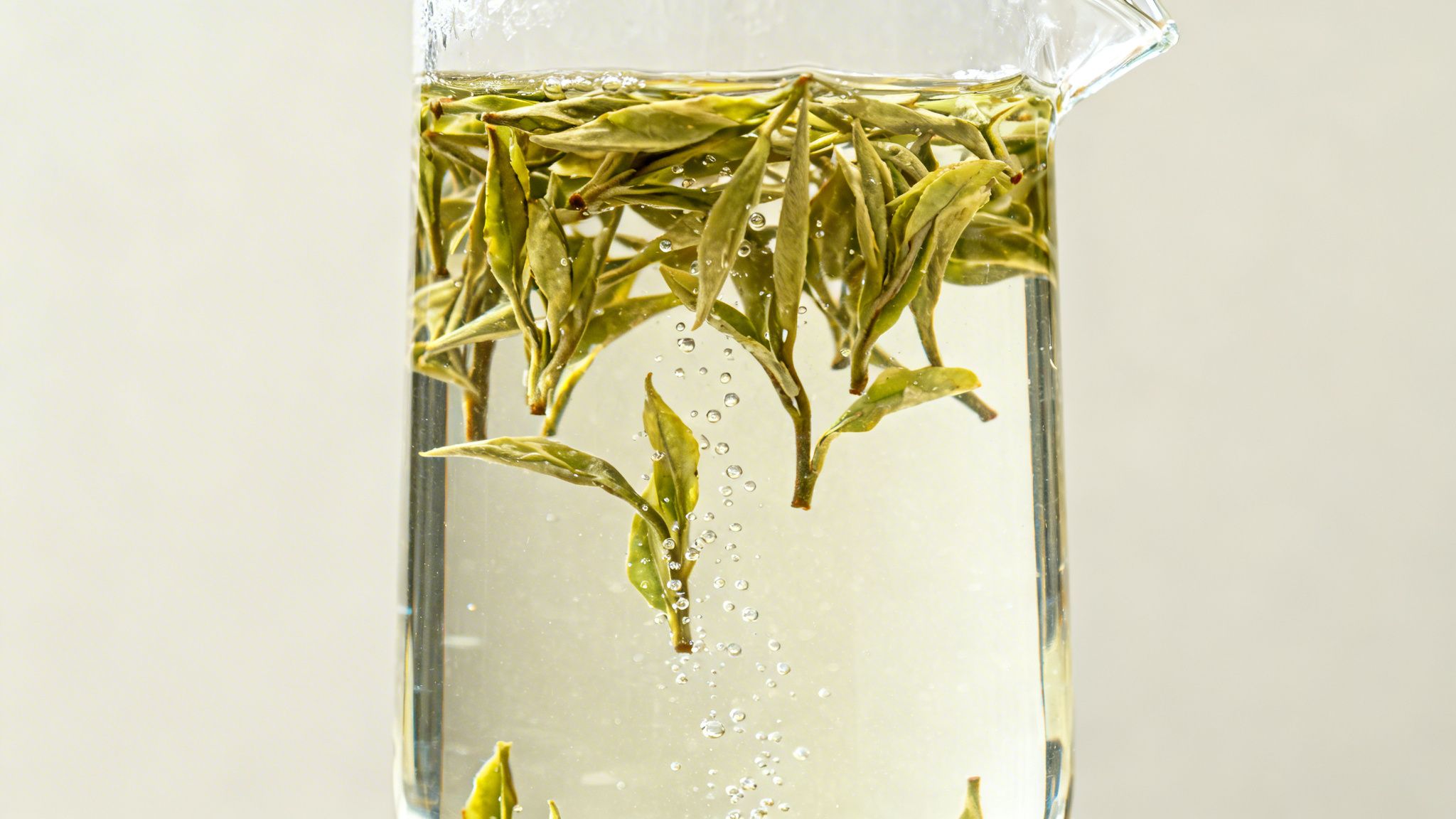
Ever wondered why cold infusion tea tastes so incredibly different from a hot brew that’s just been left to cool? It’s not magic; it’s all down to a bit of simple chemistry. Think of it like cooking a stew. You can either flash-fry it on high heat or let it slow-cook for hours. The results are worlds apart, and it’s the same with tea.
Hot water is a brute force. When you douse tea leaves in boiling water, it rips everything out as quickly as possible – the good, the bad, and the bitter. You get the lovely aromatic oils, sure, but you also get a heavy dose of bitter-tasting compounds called tannins and a real kick of caffeine.
Cold water, on the other hand, is patient. Over several hours, it gently persuades the delicate, sweet, and nuanced notes to come out and play, leaving most of those harsh tannins behind. This slow, gentle extraction is the secret to its signature smoothness.
A Closer Look at Extraction
So, what’s actually happening to the tea leaf? Well, hot water essentially blasts open the leaf's cell walls, causing a chaotic, uncontrolled release of every compound inside.
A cold infusion is far more refined. It works through a process more like osmosis, where the flavourful molecules inside the leaf slowly and carefully pass into the water to find a natural balance. This is why the true character of premium leaves, like the ones we source at Jeeves & Jericho, really shines through.
The result is a far more stable and elegant brew. Because the leaf structure remains intact, a cold infusion tea oxidises much slower than a hot-brewed tea that’s been chilled, meaning its flavour stays fresh and vibrant for days in the fridge.
This gentle method also comes with some brilliant benefits. For starters, it can slash the caffeine content by as much as 60-70% compared to a hot brew, making it perfect for an afternoon pick-me-up without the jitters. It’s also much lower in acidity, which is kinder to your stomach.
With 55% of UK consumers now looking for teas with functional benefits, cold brewing is a fantastic way to enjoy all the goodness of herbs in a smoother, more refreshing format. You can discover more about UK tea market trends to see just why this technique is catching on.
To really see the difference, a side-by-side look at the two methods makes things crystal clear.
Cold Infusion vs Hot Brewing at a Glance
| Attribute | Cold Infusion Tea | Traditional Hot Tea |
|---|---|---|
| Flavour Profile | Smooth, sweet, nuanced, low bitterness | Bold, robust, can be astringent/bitter |
| Tannin Extraction | Low | High |
| Caffeine Level | Significantly lower (up to 70% less) | High |
| Acidity | Low | Higher |
| Brewing Time | 4-12 hours | 2-5 minutes |
| Water Temperature | Cold or room temperature | Hot (near boiling) |
| Shelf Life | Stays fresh for days in the fridge | Best consumed immediately; oxidises quickly |
| Aroma | Subtle and delicate | Strong and immediate |
As you can see, it’s not just a matter of temperature; it’s about a fundamentally different approach to extracting flavour from the leaf.
What Gets Left Behind?
To put it plainly, the temperature of the water completely changes which molecules are extracted from the tea. Here’s a quick look at what cold water tends to leave in the leaf:
- Tannins: These are big, bitter molecules that love dissolving in hot water. By using cold water, we keep them out of the final drink, which is why you get none of that mouth-puckering astringency.
- Catechins: While you still get plenty of these beneficial antioxidants, the specific types that cause bitterness are less soluble in cold water.
- Caffeine: This well-known stimulant also dissolves more readily at higher temperatures, giving you a naturally lower-caffeine drink you can enjoy any time of day.
This patient, gentle approach is what makes cold infusion tea a fundamentally different drink, allowing the leaf's inherent sweetness and complexity to take centre stage.
Choosing the Best Teas for Cold Infusion
Just about any high-quality tea can be cold infused, but some types positively sing when steeped this way. The gentle method unlocks depths of flavour that hot water can sometimes bully into submission. I like to think of it like photography – bright, direct sunlight gets the picture, but it's the soft, diffused light of dawn that reveals all the subtle textures and details. Cold water is that gentle light for your tea leaves.
The trick is to pick teas with complex, layered personalities. The long, slow steep is perfect for coaxing out those delicate floral, fruity, or grassy notes that are often the first to vanish in a blast of heat. Whole-leaf teas are especially good, as they have more surface area to unfurl and release their character without turning bitter.
This is where the real fun begins. You can experiment and discover a whole new side to your favourite blends, and the results are often wonderfully surprising.
Teas That Excel When Chilled
Some teas almost seem like they were made for cold infusion, delivering a consistently smooth and flavour-packed experience. If you’re just starting out or want to guarantee a great brew, these are the ones to reach for.
- Herbal Tisanes: These caffeine-free infusions are spectacular, especially those with whole flowers, fruits, and herbs like mint or hibiscus. The cold water patiently extracts their pure, vibrant flavours without a hint of bitterness, creating an incredibly clean and refreshing drink.
- Green Teas: Delicate Japanese greens like Sencha or Genmaicha become unbelievably smooth and sweet, completely shedding the astringency they can sometimes have. Their umami and grassy notes are turned up, making for a brew that's both mellow and deeply satisfying.
- White Teas: Known for their subtlety, white teas can be notoriously tricky to get right with hot water. Cold infusion is the perfect way to gently draw out their delicate, honey-like sweetness and faint floral notes without doing any damage.
- Aromatic Blends: Teas blended with spices, fruits, or flowers really come into their own. The different flavours have time to get to know each other, melding harmoniously into a balanced and intricate profile. Our Spiced Bombay Chai is a brilliant example; the warm spices infuse beautifully without ever becoming harsh.
A Growing Appetite for Herbal Blends
There’s no doubt about it, the preference for chilled drinks is on the rise, especially among younger crowds. While black iced tea has long been the standard, holding a 38.1% market share, it's the herbal and speciality blends that are really capturing modern tastes.
In fact, a huge 62% of UK tea drinkers under 35 now opt for iced tea over hot in the summer. It’s a significant shift that makes unique, ethically sourced herbal and speciality teas a fantastic addition to any cold infusion menu. You can read more about the rising iced tea market trends to see just how popular these blends are becoming.
Choosing the right tea is less about following strict rules and more about playful exploration. The gentle nature of cold infusion means that even teas you find too bold when hot can transform into something wonderfully smooth and nuanced.
Take our Uji Matcha, for instance. While it's traditionally whisked with hot water, a cold-infused matcha latte is incredibly creamy and sweet, with none of the potential bitterness. It’s a completely different, yet equally wonderful, way to enjoy its rich, vegetal character.
Ultimately, the best tea for your cold infusion is simply one that excites you. Start with a high-quality, whole-leaf tea from a family you already love, and just let the cold water work its slow, gentle magic.
A Step-by-Step Guide to the Perfect Brew
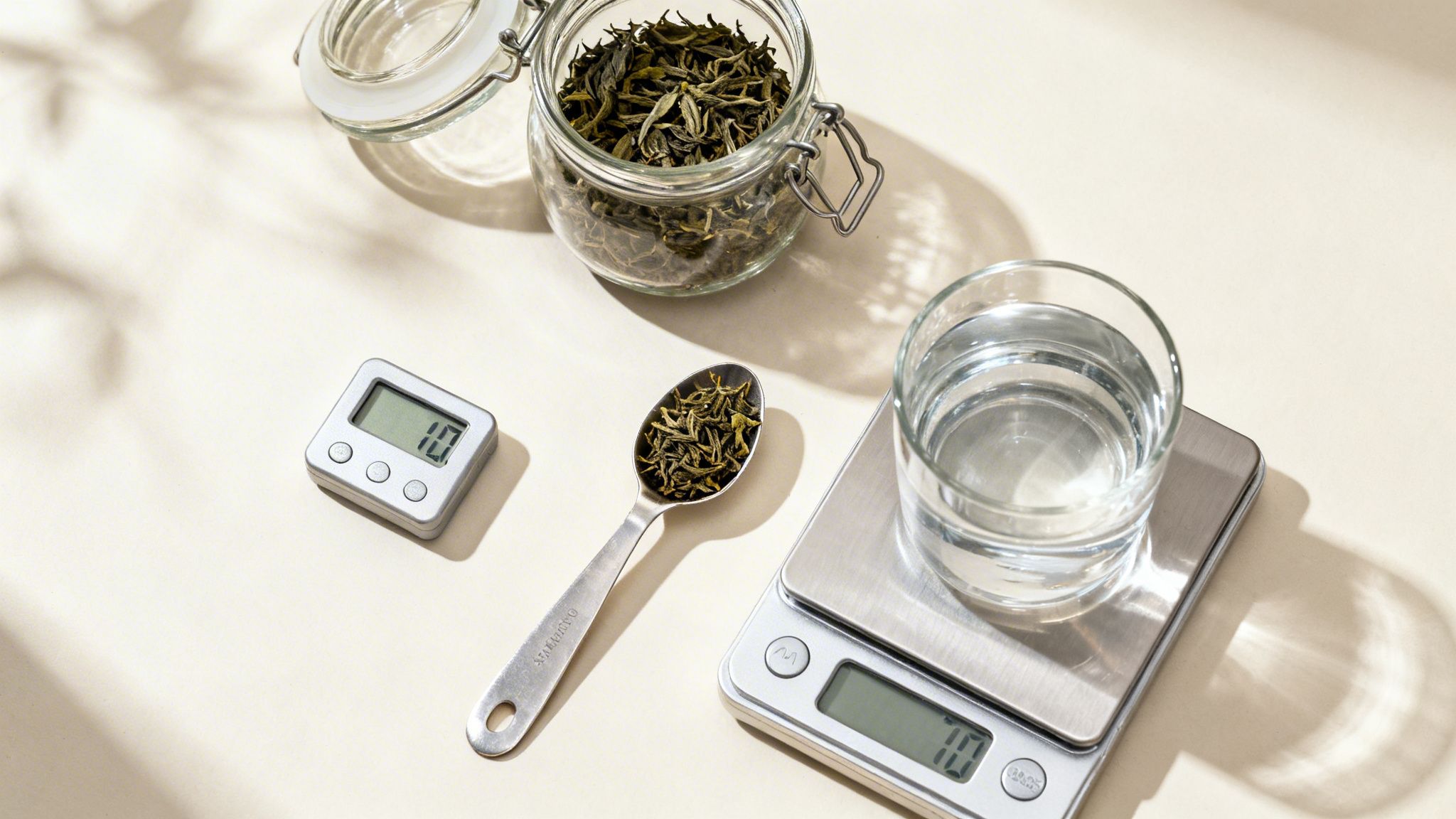
Ready to make your own unbelievably smooth cold infusion tea? The brilliant thing is, it’s incredibly simple. You don’t need any fancy kit—just your favourite tea, some cold water, and a bit of patience.
The beauty of this method is how forgiving it is. It’s easy to make a big batch to keep chilled in the fridge, so you’ve always got a refreshing, perfectly brewed tea ready when you are.
Your Four Simple Steps
Mastering the art of cold infusion is a breeze. Forget about complicated gadgets; all you really need is a clean glass jar or pitcher to get started. Here’s our straightforward guide to getting it right every time.
-
Measure Your Tea: A good starting point is to use about 1.5 times the amount of loose-leaf tea you’d normally use for a hot brew. We find that roughly 6-8 grams of tea per litre of water works beautifully. This gives you a rich, full-bodied flavour that’s never overpowering.
-
Combine and Infuse: Pop your chosen tea leaves into your jar or pitcher. Pour over some cold, filtered water and give it a gentle swirl to make sure all the leaves get a good soak. Then just cover it up and pop it in the fridge.
-
Let Time Work Its Magic: This is where patience pays off. Let the tea steep in the fridge for anywhere between 4 and 12 hours. The ideal time depends on the tea you're using—we’ll get into the specifics in a moment.
-
Strain and Store: Once the time is up, strain the leaves out using a fine-mesh sieve or some cheesecloth. And that's it! Your cold infusion is ready to drink. Keep it in a sealed container in the fridge, and it'll stay wonderfully fresh for up to 3-5 days.
While our focus is on tea, the principles are similar to those used by cold brew coffee makers, which is a fascinating area to explore if you enjoy this method.
Recommended Cold Infusion Steeping Times
To help you get the best possible flavour from your brew, we've put together a handy guide for different tea types. Think of these as a starting point—the best part is experimenting to find what you love.
Recommended Cold Infusion Steeping Times
| Tea Type | Recommended Steeping Time (in fridge) | Flavour Profile |
|---|---|---|
| White Tea | 4 - 6 hours | Delicate, honey-like sweetness, and subtle floral notes. |
| Green Tea | 6 - 8 hours | Smooth, grassy, and naturally sweet with a rich umami character. |
| Oolong Tea | 8 - 10 hours | Ranges from floral and light to creamy and roasted, depending on the variety. |
| Black Tea | 10 - 12 hours | Rich, malty, and full-bodied without the classic bitterness. |
| Herbal Tisanes | 8 - 12 hours | Vibrant, pure, and clean, highlighting the specific fruits or herbs. |
Remember, the key is to trust your own taste. Start having a little sip at the lower end of the recommended time. You’ll know instantly if it’s perfect or needs a few more hours to develop that full, delicious character.
With these simple steps, you're all set to make cafe-quality cold infusion tea at home. For even more inspiration, have a look at our complete guide on how to make cold brew tea.
Creative Recipes and Serving Ideas

Once you've nailed the simple art of making cold infusion tea, a whole world of creative drinks opens up. The incredibly smooth, naturally sweet character of a cold infusion makes it a fantastic base for just about anything, from sparkling spritzers to sophisticated non-alcoholic cocktails.
Instead of just pouring it over ice, start thinking of your brew as a core ingredient. Because the slow, gentle extraction brings out such a pure and pronounced flavour, it’s ready to complement other ingredients without ever being overshadowed or adding a hint of bitterness.
Sparkling Green Tea and Mint Spritzer
This recipe is unbelievably refreshing on a warm day and really lets the clean, grassy notes of a quality green tea shine. It's a simple way to turn your cold infusion into something special, whether it’s for guests or just for you.
Here's how to make it:
- Start with a base of cold-infused green tea – our delicate Organic Uji Matcha is perfect for this.
- In a tall glass, muddle a few fresh mint leaves with a good squeeze of lime juice.
- Pour in your cold infusion tea until the glass is about two-thirds full.
- Top it up with sparkling water or a light tonic for that lovely fizz.
- Garnish with a wheel of lime and a fresh sprig of mint.
The real beauty of using cold infusion tea in recipes is its stability and smoothness. Unlike chilled hot tea, which can go cloudy or bitter, a cold infusion gives you a consistently clear and elegant foundation for mixing.
Spiced Bombay Chai Cold Foam Latte
For something a little richer and creamier, this recipe transforms our aromatic Spiced Bombay Chai into a truly decadent latte. It’s a brilliant alternative to a sugary coffee shop drink, offering real warmth and complexity.
Just take your chilled chai infusion and pour it over ice. Then, grab a milk frother and whip a small amount of milk (or a dairy-free alternative) into a thick, airy foam and gently spoon it over the top. A final dusting of cinnamon is all it needs to complete this luxurious drink.
If you’re looking for more inspiration, you might like our guide on creating the perfect iced tea recipe.
Getting to Grips with Cold Tea
The world of cold tea can feel a bit crowded with terms that sound the same but mean very different things. Is ‘iced tea’ the same as ‘cold brew’? Or ‘cold infusion’? Not quite. Nailing the differences is the first step to understanding why some chilled teas are wonderfully smooth while others just fall flat.
Most of us probably grew up with traditional iced tea. This is your classic brew: tea made with hot water and then crash-cooled, usually by pouring it over a mountain of ice. It’s quick, sure, but this shock treatment often creates a cloudy brew with a harsh, astringent bite.
That sudden drop in temperature essentially locks in the bitter tannins that the hot water aggressively pulled from the leaves. It’s the go-to method for many, but it rarely does justice to high-quality tea, often needing a spoonful (or three) of sugar to make it drinkable.
The Gentle Art of Cold Brew and Cold Infusion
This is where things get interesting. You’ll often hear cold brew tea and cold infusion tea used interchangeably, and for good reason—they describe the exact same gentle method of brewing with cold water from the very start. Both involve steeping tea leaves in cold or room-temperature water over a much longer period.
There’s a simple reason why this slow, patient process produces a far superior taste.
Cold water gently coaxes out the sweet, aromatic compounds from the tea leaf while leaving most of the bitter-tasting tannins behind. The result is a naturally sweeter, incredibly smooth brew that reflects the true character of the tea without any harshness.
Think of it this way: hot brewing is a sprint, while cold infusion is a marathon. The sprint gets you a result quickly, but it's the marathon that delivers a more refined, balanced, and rewarding finish.
So, Why Does the Name Matter?
Knowing the difference means you can choose a genuinely better drink. When you see ‘cold infusion’ or ‘cold brew’ on a menu or a bottle, it’s a signpost for a brewing process designed to prioritise smoothness and flavour clarity.
Here’s a simple way to remember it:
- Iced Tea: Hot tea, cooled down fast. Often leads to bitterness and a cloudy look.
- Cold Infusion / Cold Brew Tea: Tea steeped in cold water from the beginning. Creates a smooth, sweet, and crystal-clear drink.
By choosing a true cold infusion, you’re opting for a method that truly honours the delicate nuances of the leaf. It’s a gentle technique that ensures every sip is clean, refreshing, and full of complex flavour—worlds apart from its hastily chilled cousin.
A Few Final Pointers on Cold Infusion
To round things off, let's tackle a few of the questions we hear most often about making cold infusion tea. These quick answers should give you all the confidence you need to get brewing.
Can I Use Any Tea for Cold Infusion?
While you can use most teas, you’ll get the most spectacular results from high-quality, whole-leaf teas. The gentle, slow infusion is just perfect for coaxing out the subtle, nuanced flavours that hot water can sometimes bully into hiding.
Complex blends like our Spiced Bombay Chai or any delicate herbal infusions really shine, as this method pulls out all their character without a hint of bitterness. We'd suggest steering clear of the low-grade, dusty stuff in most paper tea bags, as they tend to produce a disappointingly weak or cloudy drink.
How Long Does Cold Infusion Tea Last in the Fridge?
Once you’ve strained the leaves out, your cold infusion will keep beautifully in a sealed, airtight container in the fridge for three to five days. For the absolute best flavour, though, we recommend enjoying it within the first day or two.
This makes it a brilliant drink to prep ahead for the week. If you ever spot any cloudiness or notice a funny smell, that's your cue to tip it out and whip up a fresh batch.
Is It Safe to Brew Tea in Cold Water?
Absolutely, it's completely safe. While it's true that hot water is a faster steriliser, using clean, filtered water and keeping the whole operation in the fridge is more than enough to prevent any unwanted bacterial growth.
Just give your brewing jug or bottle a thorough clean before you start. The cold, controlled environment of the refrigerator keeps your tea fresh and safe right through the steeping process, so you can sip away without a worry.
Ready to find your new go-to brew? Have a look through the full range of premium, whole-leaf teas at Jeeves & Jericho and pick out the perfect partner for your first cold infusion. Shop our collection today.